Clip de l\'interview de Jean-Philippe Tanguy sur le voile
Réalisation : BFM-TV – 52 vues
Comments made by RN deputy Jean-Philippe Tanguy comparing the traditional Breton headdress to the Islamic veil have sparked reactions in Brittany. Regional councilor Christian Guyonvarc'h particularly criticizes him for his ignorance of Breton history and culture.
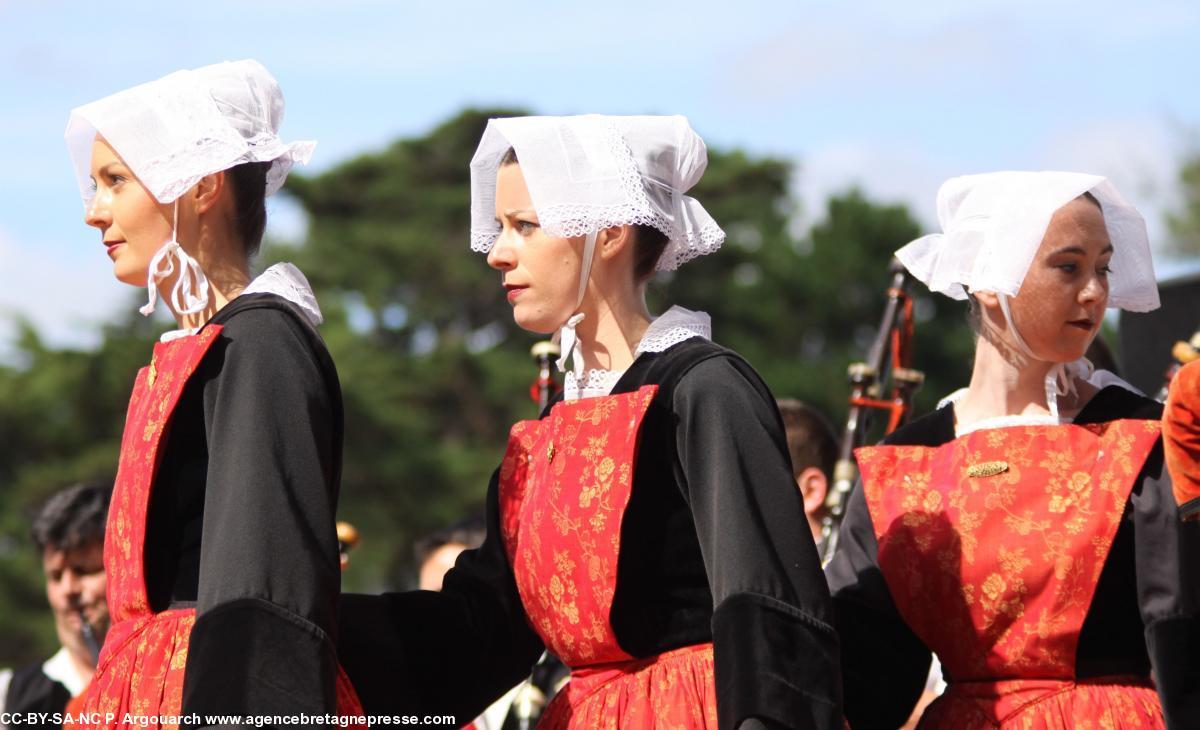
Invited on September 8 on BFMTV-RMC by Apolline de Malherbe, RN deputy from Somme Jean-Philippe Tanguy, who regularly claims his Breton origins, spoke about the headdresses once worn by Breton women to support his argument on the Islamic veil. He notably presented these headdresses as "veils" used to conceal part of women's bodies.
This comparison sparked reactions in Brittany. On social media, Christian Guyonvarc'h, an elected member of the Breizh a Gleiz group of the Regional Council, believes that Jean-Philippe Tanguy "proves that he is very ignorant of the history of Brittany and its culture."
He also contests the idea that wearing a fichu or a headdress constituted a sign of women's alienation. Referring to his grandmother and great-grandmother, he humorously adds that, if they could hear such remarks, "they would give him a whack with a 'disglavier' (umbrella)."
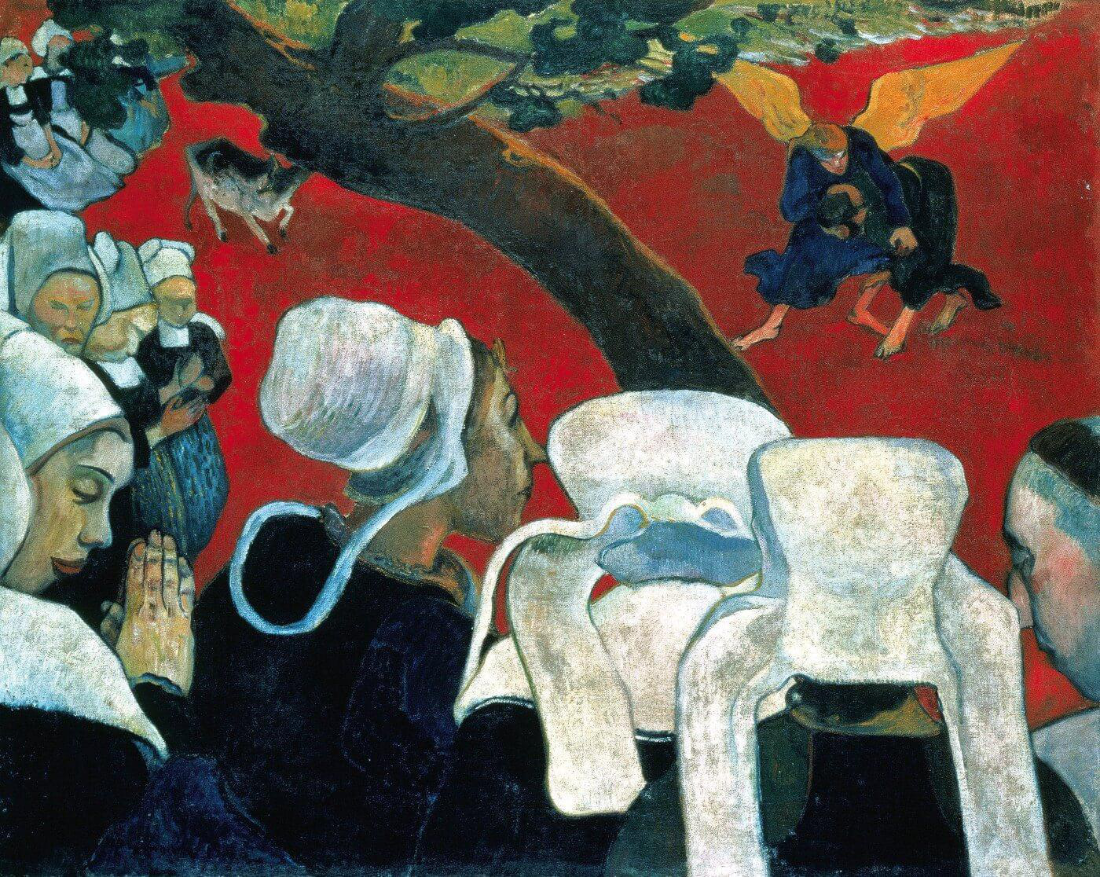
Breton headdresses have taken on extremely diverse forms depending on the regions and eras. An element of traditional costume, the headdress could also indicate the geographical origin, social status, or marital status of the wearer. Under no circumstances did it serve to conceal anything.
Covering the Head, an Ancient Religious Tradition
The act of covering the head has different meanings depending on the religions and eras. In the first letter to the Corinthians (11, 3-16), Paul asks women to cover their heads when they pray, a Christian tradition that has persisted for centuries and was still common in Catholic churches in the 20th century. In traditional Judaism, men cover their heads to pray, usually with a kippah today, as a sign of respect towards God. Jewish tradition also requires married women to cover their hair. In Islam, the exact scope of the Quranic prescriptions regarding the veil is still subject to different interpretations. Therefore, covering the head cannot be interpreted alone as a sign of a woman's submission to man. Covering the face, on the other hand, is a practice foreign to Breton clothing tradition.



Commentaires (0)
Aucun commentaire pour le moment. Soyez le premier à réagir !